Engaging Visitors at the South Florida Fair

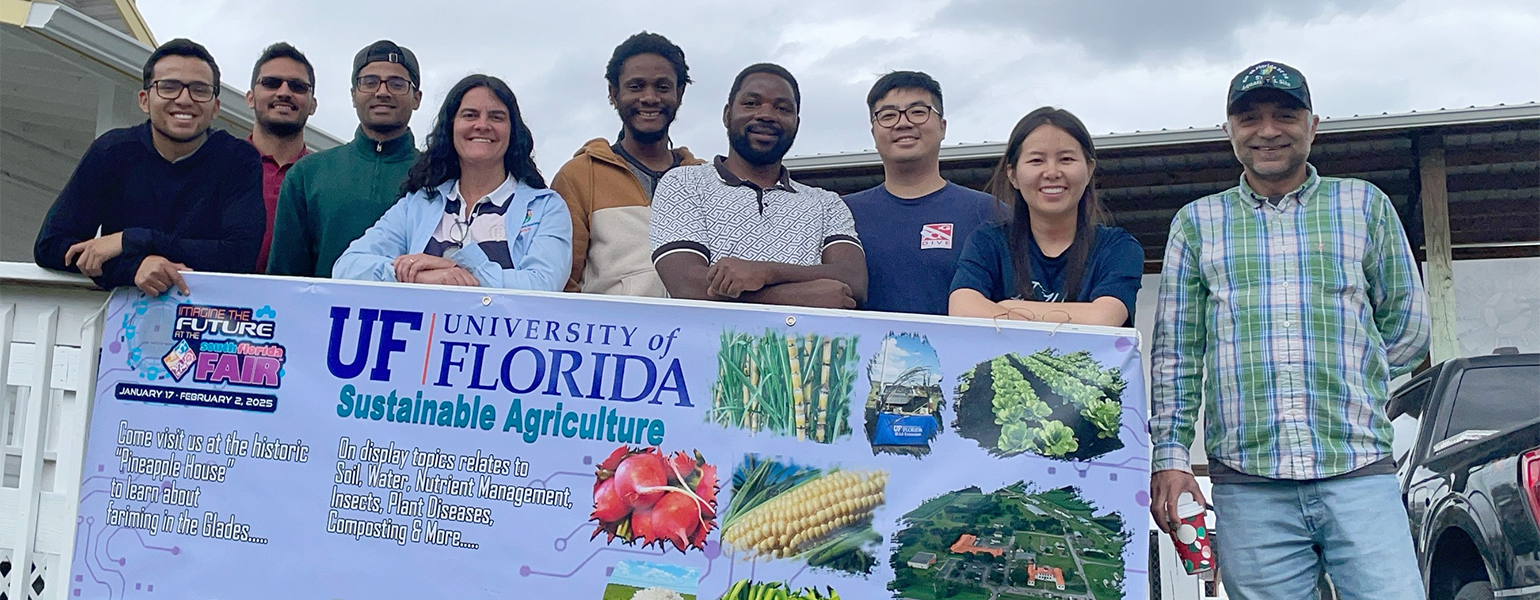
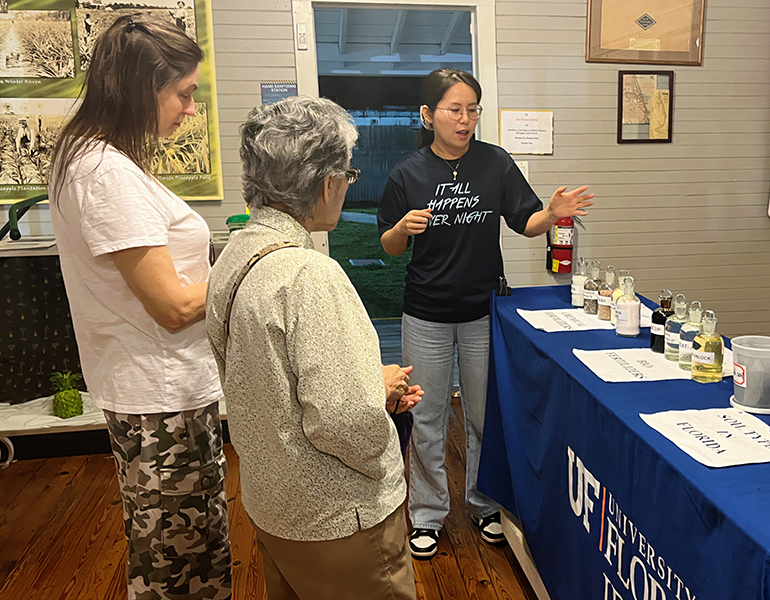
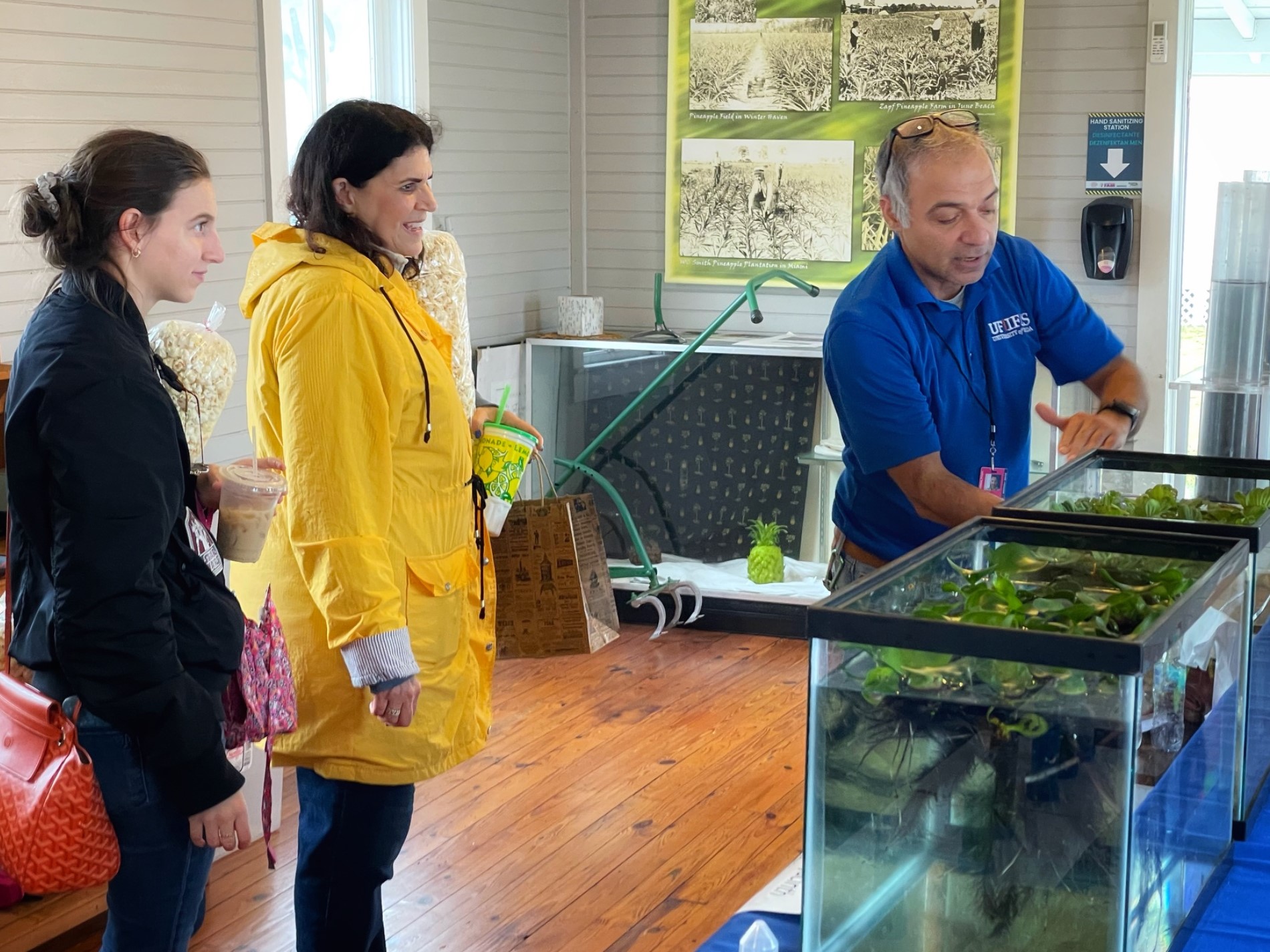
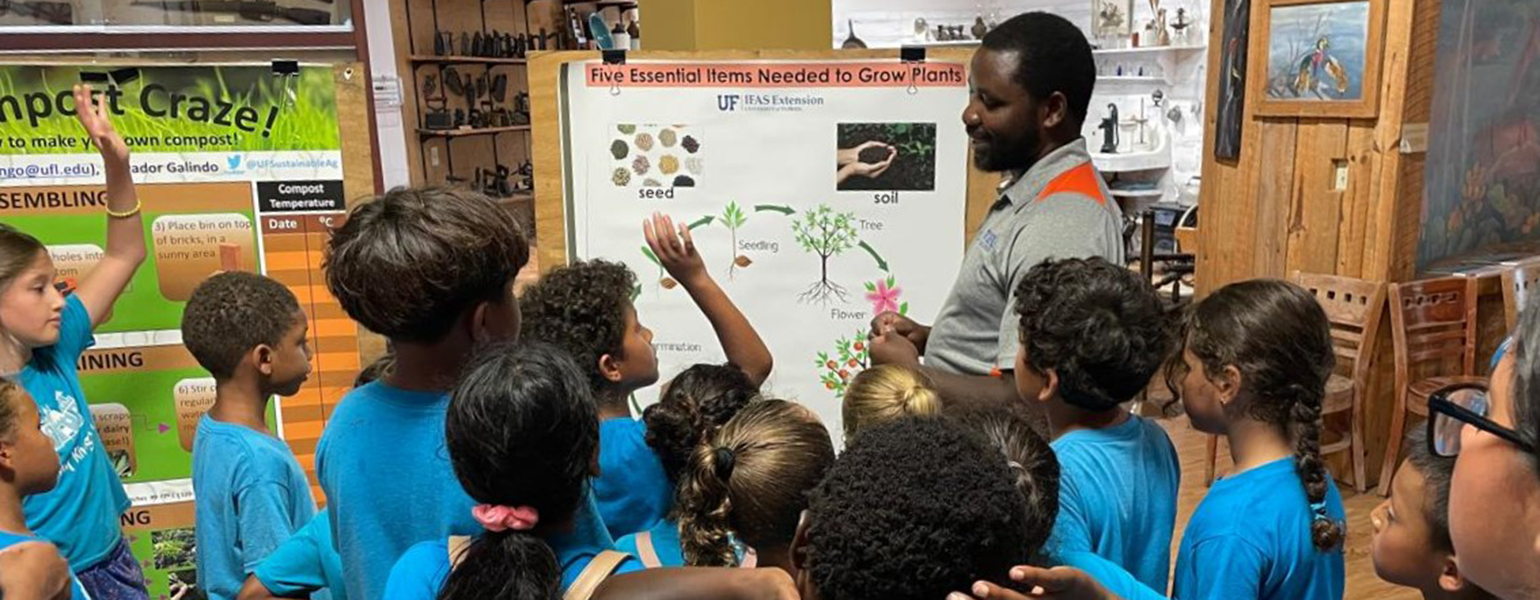
Each year, the Soil, Water, and Nutrient Management Lab at the Everglades Research and Education Center participates in the South Florida Fair, in West Palm Beach. Dr. Jango Bhadha, SWES associate professor of soil, water, and nutrient management, and his team hosts an interactive booth located in the Yesteryear Village featuring various educational demonstrations. They engage hundreds of visitors, including school children, families, and agricultural professionals, offering hands-on demonstrations. These include sustainable agricultural practices for improving soil health, water quality, and nutrient management.

Dr. Bhadha presented live wetland plants commonly found in ditches and canals throughout the Everglades Agricultural Area, to illustrate their impact on water quality. Graduate students volunteer their time to participate at the fair. It allows them to engage with stakeholders including regulators, growers, and the general public, and conduct surveys. One of the greatest aspects of the annual fair is its agricultural and livestock exhibits. Even though agriculture is such a tremendous part of Palm Beach County’s economic base, many school children have never been exposed to it. The annual South Florida Fair attracts more than 500,000 people.


Promoting Coastal Health

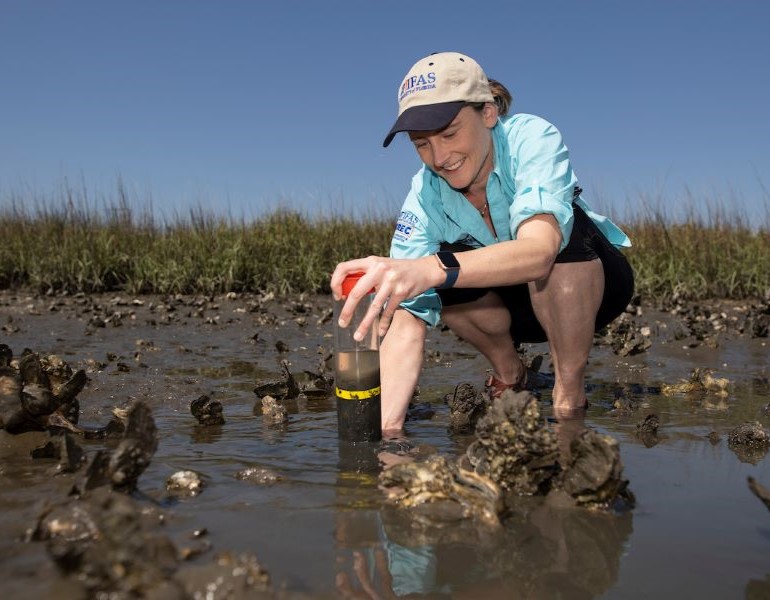
Dr. Ashley Smyth, SWES associate professor of biogeochemistry at the Tropical Research and Education Center, leads an Extension program dedicated to coastal restoration and water quality. By integrating applied research with community-driven solutions, Smyth equips volunteers with the skills to monitor seagrass health along Florida’s coast. Her initiatives contribute to filling critical data gaps, enhancing coastal ecosystems, and supporting the restoration economy.

A female wearing a ball cap and UF/IFAS apparel crouches down to collect samples from an oyster bed at low tide.
 Dr. Ashley Smyth collects samples at low tide. (UF/IFAS photo)

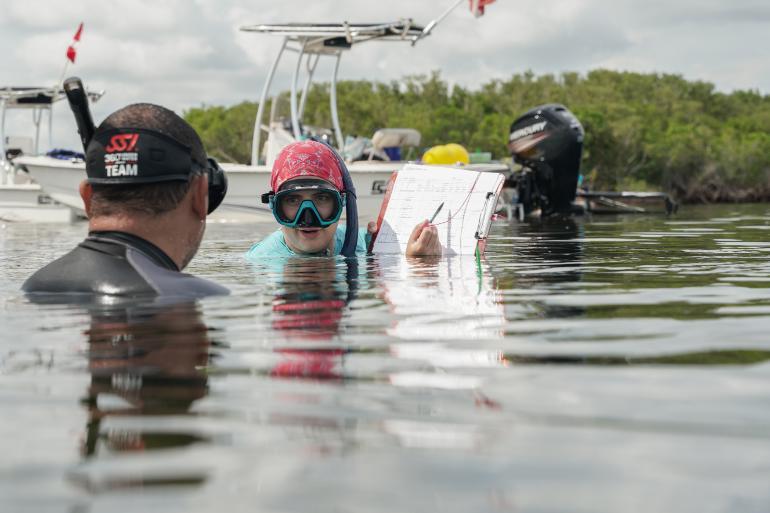
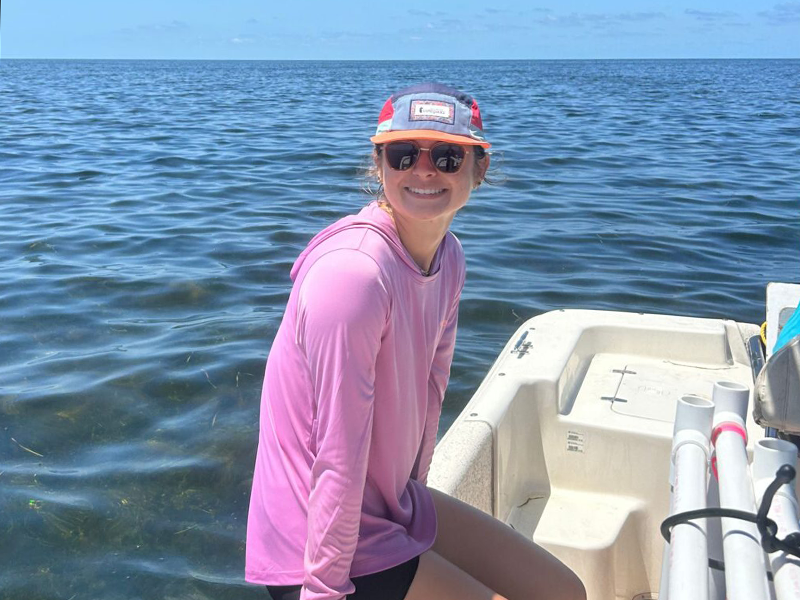
Two people in snorkeling gear stand in a shallow part of the Gulf to measure seagrass properties.
 Two Eyes on Seagrass volunteers collect data. (Florida Sea Grant photo)

"Eyes on Seagrass" trains local residents as community scientists, enabling them to monitor the health of seagrass beds across more than 70 sites along the coast. Volunteers collect vital data on seagrass abundance, species composition, epiphyte density, and blade lengths. This grassroots effort that Smyth, Dr. Laura Reynolds, SWES associate professor, and other UF/IFAS colleagues oversee increases public awareness of local ecosystems and improves habitat quality. The monitoring methods developed through this initiative proved invaluable during the phosphate spill crisis in Tampa Bay in 2021. The rapid data collection facilitated by community scientists strengthened Florida’s response capabilities for environmental monitoring and management.

Smyth's research demonstrates the water quality benefits of bivalve shellfish, which filter particulates and remove nitrogen from the water. She worked with the Florida Department of Agriculture and Consumer Services (FDACS) to successfully amend state aquaculture policies to permit underwater aquaculture leases specifically designed for habitat restoration and research. These policy changes created new opportunities for both ecosystem resilience and economic growth. Since 2021, Smyth's partnerships with restoration organizations and shellfish industry stakeholders have restored six acres of seagrass along Florida's Gulf Coast, and generated approximately $90,000 in ecosystem services, including carbon storage and water quality improvements.


Enhancing Citrus Production

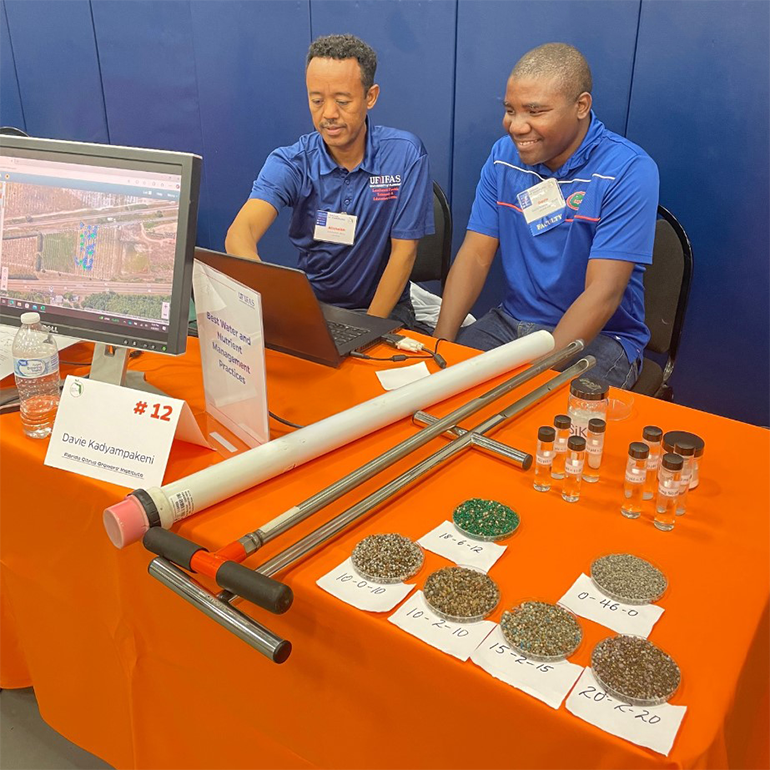
Dr. Davie Kadyampakeni, associate professor of citrus water and nutrient management, is based at the UF/IFAS Citrus Research and Education Center. His Extension program focuses on improving irrigation practices and fertilizer use for citrus growers. Earlier this year, he shared research updates on nutrient best management practices (BMPs) at major industry events across the state.  His lab team also led hands-on training sessions  to support on-farm decision-making.


Two scientists sit behind a table, looking at a laptop computer. The table is covered with best management practices tools for citrus growers.
Dr. Alisheikh Atta, postdoctoral research associate, (left) and Dr. Davie Kadyampakeni at the Citrus Institute. (Photo provided)


Nitrogen Use in Cotton

SWES Extension faculty and their IFAS colleagues are leading the effort to advance nitrogen (N) management practices for cotton production in Florida, focusing on both statewide recommendations and local grower insights. In a significant update for the 2025 growing season, UF/IFAS has transitioned from the outdated standard of 60 units of N per acre to a more tailored, yield goal-based approach, allowing growers to optimize their fertilizer use and improve sustainability in cotton farming. Complementing this effort, a targeted survey conducted after those field trials examined N management practices among Panhandle cotton growers. It revealed the essential role of irrigation in determining application rates and the effectiveness of split applications. These initiatives demonstrate our commitment to cotton producers with research-based knowledge and practical strategies that enhance productivity and environmental stewardship.

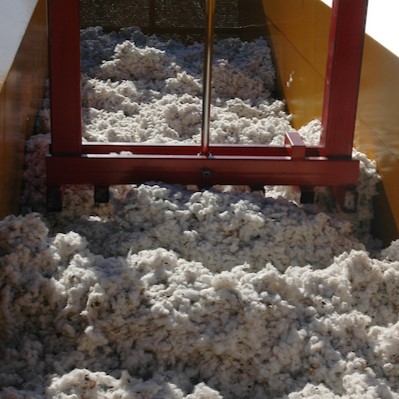
An image showing cotton in a bin after harvesting.

Provisional N Fertilization Recommendation for 2025

In a bid to modernize N management practices for cotton production, UF/IFAS has developed a new provisional fertilization recommendation. This updated approach allows growers to tailor N applications according to expected yield goals, enhancing both efficiency and sustainability in cotton farming. With insights on calculated N needs and guidelines for supplemental applications, this article provides essential information to help cotton producers optimize their fertilizer use for the 2025 growing season. It includes some of the work done by Dr. Lakesh Sharma, SWES assistant professor of soil fertility & sustainable nutrient management and the State Ag BMP Coordinator.

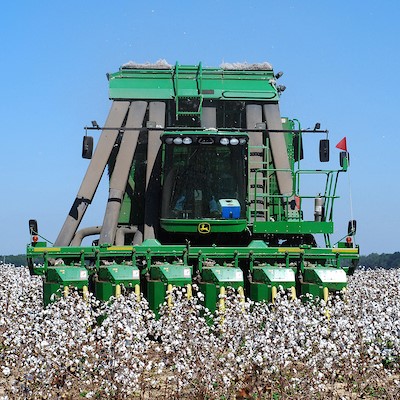
An image showing a farmer harvesting cotton from the field using a large, green tractor.

Florida Panhandle Grower Survey Insights

Cotton production in Florida’s Panhandle presents unique challenges, from sandy soils to variable rainfall patterns. To explore how these factors influence N management practices, a targeted survey conducted in 2024 offers valuable insights into the strategies employed by farmers in the region. This article, by Dr. Cheryl Mackowiak, SWES associate professor of nutrient management and water quality, shows the survey results and highlights current practices, challenges, and opportunities for enhancing N management.


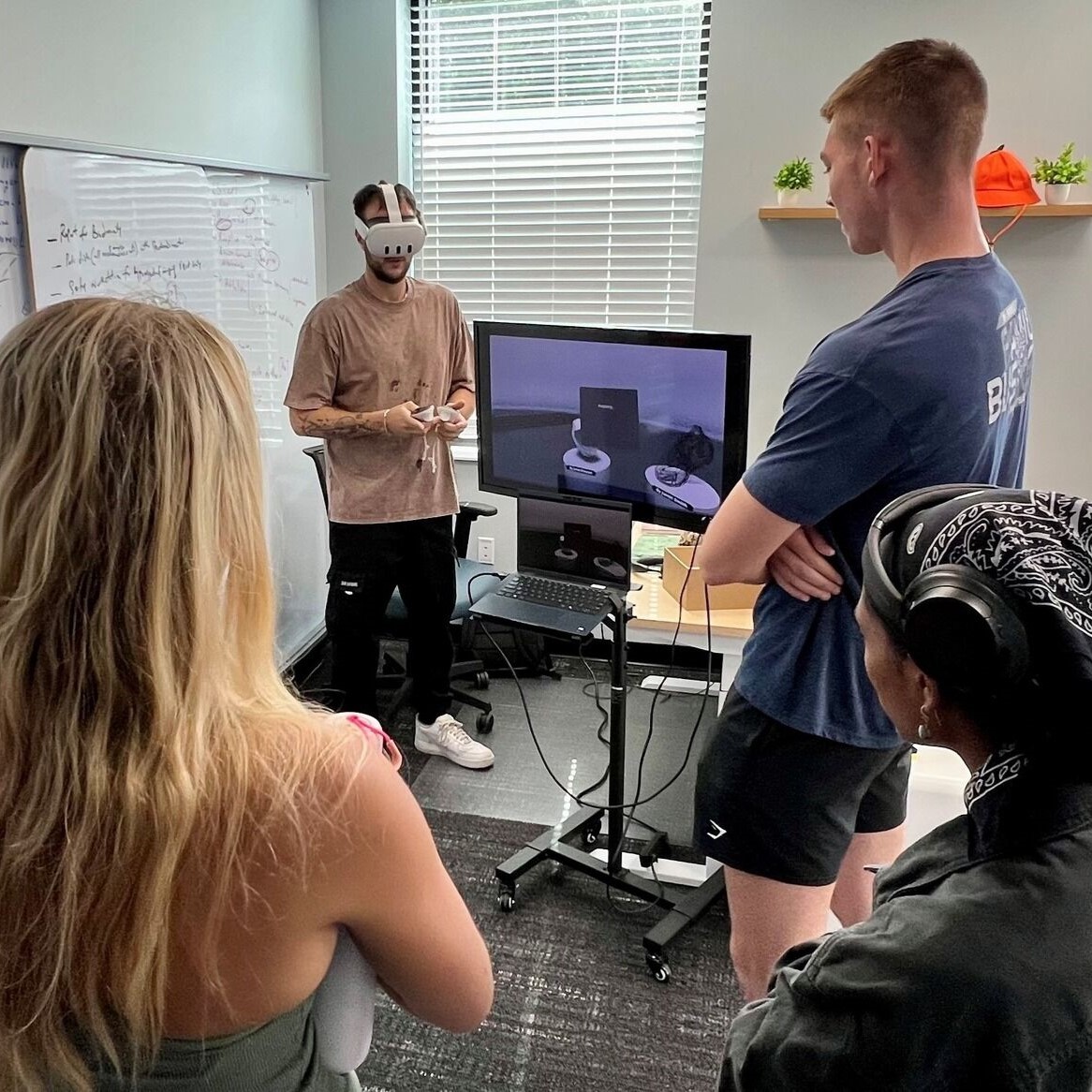
A soil science lab member demonstrates AI technology for agriculture by using a virtual reality goggle headset and hand controls as several students stand around him watching.

Applications of AI in Agriculture

The Soil Science AI Lab, led by Dr. Nikos Tziolas, SWES assistant professor of soil science artificial intelligence, demonstrated digital agricultural twins, robotic systems, hyperspectral imaging, and conversational AI to visiting undergraduate students.

Learn More

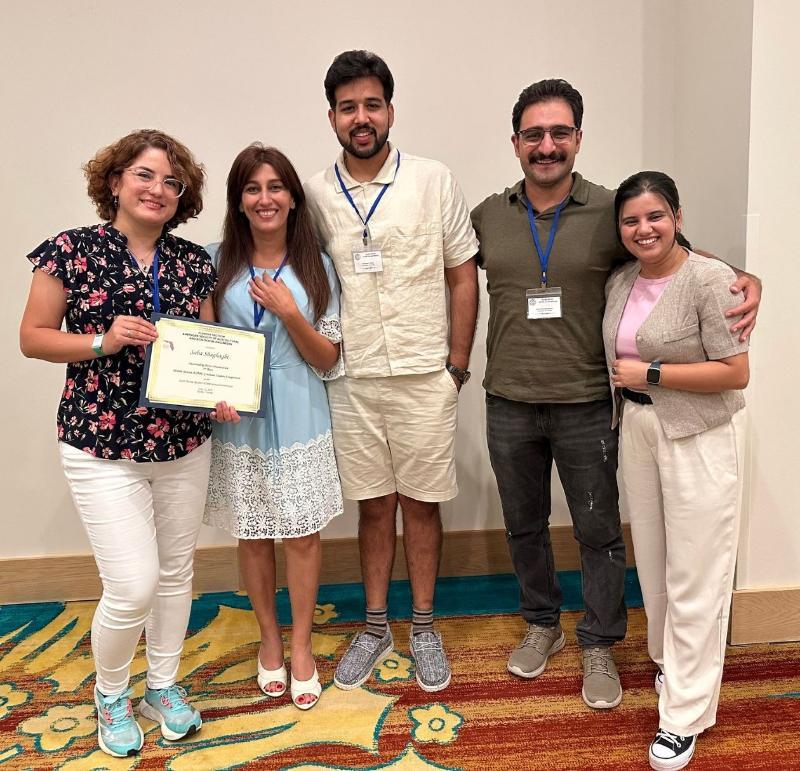
Dr. Golmar Golmohammadi, SWES assistant professor of watershed hydrology and biogeochemistry, (second from left) and her graduate students attended the Florida Section American Society of Agricultural and Biological Engineers 2025 Annual Conference and Trade Show in Jupiter, FL. They participated in two oral presentations and four poster presentations. Saba Shaghaghi (left) won third place in the poster competition for "Advanced Deep Learning Models for Predicting Surface Water Discharge and Groundwater Levels in Florida."

Pictured (l to r) are Shaghaghi, Dr. Golmohammadi, Gurjoban Tiwana, Seyed Mostafa Biazar Seighalani, and Namrata Ghimire.

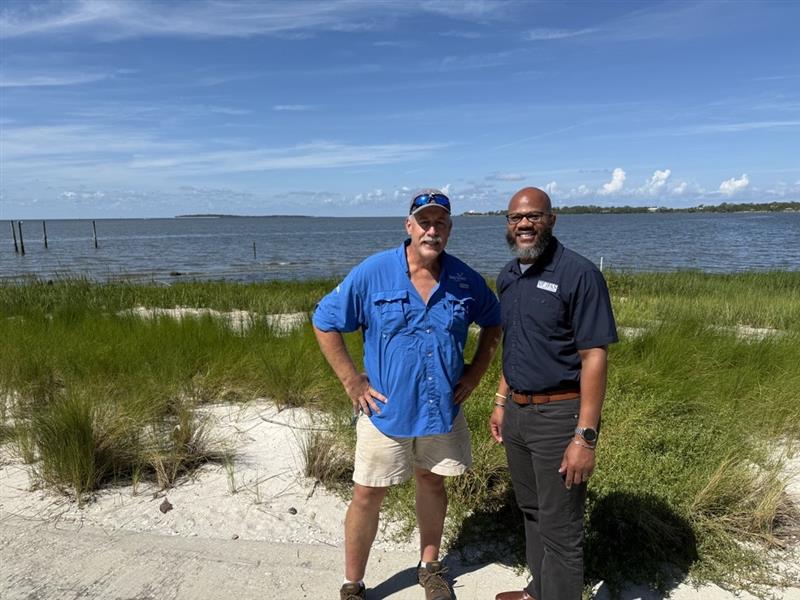
Dr. Mark Clark stands to the left of Dr. Andra Johnson, posing for a picture after they discussed the Living Shoreline project on Cedar Key, FL, and ways to help those at risk for hurricane damage.

The UF/IFAS Nature Coast Biological Station (NCBS) hosted Dr. Andra Johnson, UF/IFAS Dean of Extension, in early August.

Dr. Mark Clark, SWES associate professor of wetland ecology, was on-site at the Living Shoreline project in Cedar Key and gave Dr. Johnson a firsthand look at the work. This led to a discussion about how IFAS can continue supporting communities with storm resilience planning, recovery, and implementation.

Learn more about the project on the Florida Living Shorelines website.

(Photo from NCBS)

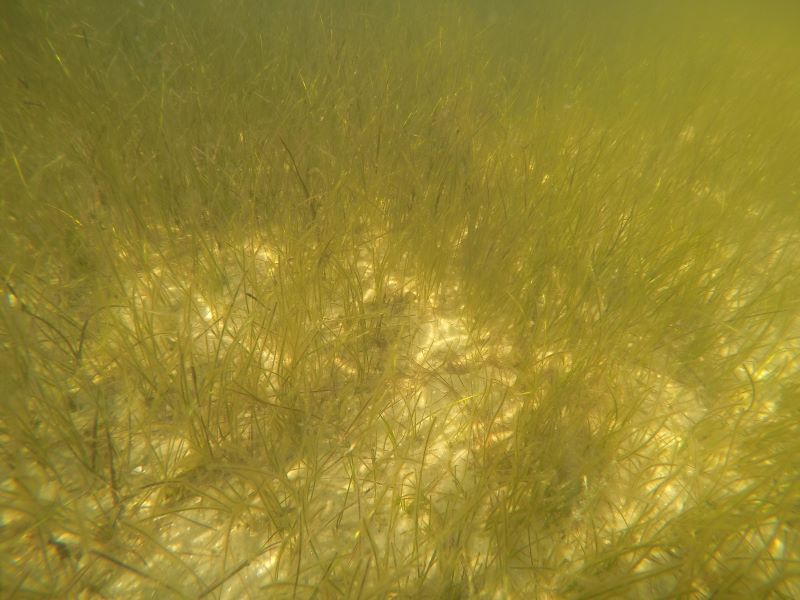
An image of seagrass underwater.

Protecting and Restoring Seagrass Habitats

Dedicated teams, including Dr. Laura Reynolds, SWES associate professor of coastal ecology, are working to save the vital seagrass beds of the Gulf through innovative research, advanced technology, and collaborative restoration efforts. Learn how their work is essential for marine life and the health of coastal ecosystems.


Undergraduate Research Internship Program

Dr. Laura Reynolds and Dr. Marc Hensel, SWES research assistant professor of coastal ecology, are each mentoring a Florida Sea Grant (FSG) undergraduate research intern to give them hands-on experience in coastal science. Dr. Reynolds and Dr. Hensel are FSG affiliated faculty.

Celeste Schreiber (Dr. Reynolds)

Celeste is examining the ecological impact of human disturbances in seagrass.

Madison “Madi” Konash (Dr. Hensel)

Madi wants to understand how predator-prey interactions influence oysters.

Coastal Resilience and Environmental Literacy

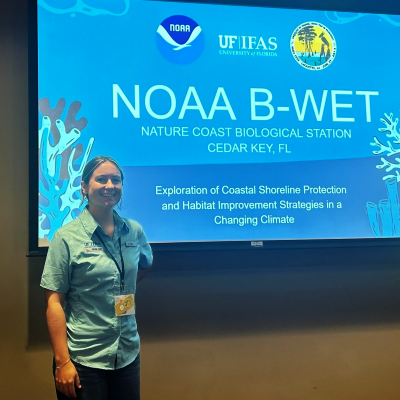
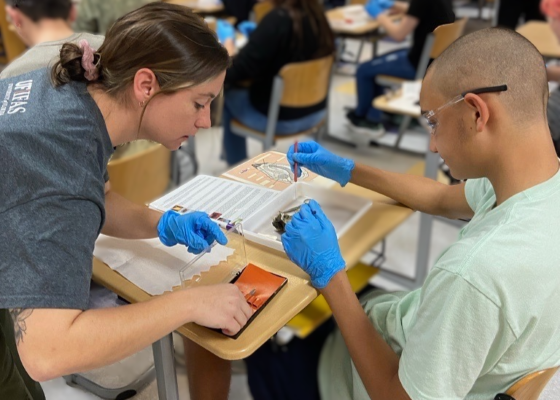
UF/IFAS Nature Coast Biological Station (NCBS) K-12 Educator Emily Colson presented at the National Marine Educators Association Conference in Louisiana. Emily is a SWES student pursuing her B.S. in Interdisciplinary Studies: Environmental Management in Agriculture and Natural Resources. She shared outcomes from the 2023–2025 NOAA B-WET grant project, “Exploration of Coastal Shoreline Protection and Habitat Improvement Strategies in a Changing Climate.” The program brought hands-on coastal science and environmental action projects to rural Florida classrooms—even adapting mid-year after Hurricane Helene. This was a collaborative effort with UF/IFAS partners from NCBS, SWES, the Department of Agricultural Education and Communication, and Florida Sea Grant blending science, education, and outreach. Many thanks to NOAA B-WET for funding and supporting this important work in building environmental literacy and resilience.

A woman stands in a darkened room in front of a large screen that has a Powerpoint presentation title slide on it.          A woman stands over a student's desk, helping the student with a science experiment in the classroom.
Photos from NCBS


Congratulations, Summer 2025 Graduates!

Doctor of Philosophy

Soil, Water, and Ecosystem Sciences
(Advisors in parentheses)
Xue Bai (Bhadha & Smidt)
Emma Dawson (Strauss)
Yaslin Gonzalez (Maltais-Landry)
Casey Harris (Reisinger & W. Graham)
Jaehyeon Lee (Jawitz)
Noel Manirakiza (Bhadha & Lin)
Gabriela “Bella” Reyes (Smyth & Reynolds)
Monica Schul (Meyer)

Soil and Water Sciences
(Advisors in parentheses)
Franky Celestin (Lin & Mylavarapu)

Interdisciplinary Ecology
(School of Natural Resources & Environment)
(Advisors in parentheses)
Alli Cauvin (Meyer & Altieri)
Adam Searles (Martin & Reynolds)
Jessica Tittl (Meyer)

Master of Science

Soil, Water, and Ecosystem Sciences
(Advisors in parentheses)
Julian Avila Bernal (Silveira)
Devin Desselle (Liao)
Hayden Henke (Sharma)
Amy Napoles Kiley (Mackowiak)
Brierra Mack (Tziolas)
Lauren Riley (Babaeian)
Paula Sanchez Garzon (Lusk)
Therese "Tess" Thompson (Kadyampakeni)

Bachelor of Science

Interdisciplinary Studies: Environmental Management in Agriculture and Natural Resources
(Advisors: Enloe, Fletcher & Sisk)
Hayden Mickley
Jeffrey Month 

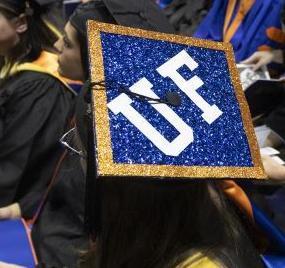
An image of graduates at a commencement ceremony with one person's mortarboard emblazoned with the letters U F with blue and orange glitter material.

Graduate Minor

Soil, Water, and Ecosystem Sciences
(Advisors in parentheses)
Rampersaud Dyalram (Sharma) 

Graduate Certificates

Fertilizer Science and Technology
(Advisor: Daroub)
Noor Ul Basar
Benjamin Tubbs

Soil Ecosystem Services
(Advisor: Strauss)
Bani Badwal 
Anna Raytcheva 

Wetland and Water Resource Management
(Advisor: Clark)
Charla Markesteyn
Kimberly Scottaline

Support SWES

Your donation to the Department of Soil, Water, and Ecosystem Sciences will enhance teaching, research, and extension programs, and provide more opportunities for students.

Welcome, Fall 2025 Students!

Graduate Students

Ph.D. Students
(Advisors in parentheses)

Soil, Water, and Ecosystem Sciences
Thomas Chaires (Angle)
Jasmine de Freitas  (Strauss)
Sotirios Kechagias (Tziolas)
Cindy Maldonado (Liao & Maltais-Landry
Xinlin Wang (Lin & Grunwald)

Interdisciplinary Ecology (via SNRE)
Gabrielle "Gabi" Foura (Smyth)
Melpomeni "Meni" Zoka (Tziolas & Jawitz)

M.S. Students
(Advisors in parentheses)

Soil, Water, and Ecosystem Sciences
Lopes Bonda (Kadyampakeni)
Aneth Ixchel Castaneda-Garcia (Angle)
Breya Castle (Daroub-temporary)
Alireza Ghaderi (Fujimoto)
Madison Gonzalez (Daroub-temporary)
Lucas Grantham (Daroub-temporary)
Pamela Horgen (Fujimoto)
Adam Kotin (Maltais-Landry)
Charla Markesteyn (Daroub-temporary)
Zachary Moore (Daroub-temporary)
Brooke Piccoli (Daroub-temporary)
Marcus Rivera (Daroub-temporary)
Jake Seib (Daroub-temporary)
Lindsey Smith (Reynolds)
Lauren-Marie Williams (Daroub-temporary)
Laura Wright (Daroub-temporary)
Yiran Xu (Liao)

Undergraduate Students

Soil, Water, and Ecosystem Sciences
(Advisors: Bonczek & Sisk)

Jaden Ausburn (Soil Science specialization)
Bailey Godwin (Water Science specialization)

Interdisciplinary Studies: Environmental Management in Agriculture and Natural Resources
(Advisors: Enloe, Fletcher & Sisk)

Omar Benjamin
Melissa Christenson
Cory Evans
Ilona Halloran-Rojas
Tori Mayes
Dakota Trueba
Bryanna Zukas


Decorative image


  Awards, Honors, and Recognition

Florida State Horticultural Society 2025 Conference:


Global Soil Health at 90 Meters:
A High-Resolution Map
of Six Key Properties and
the Soil–Socioeconomic Nexus

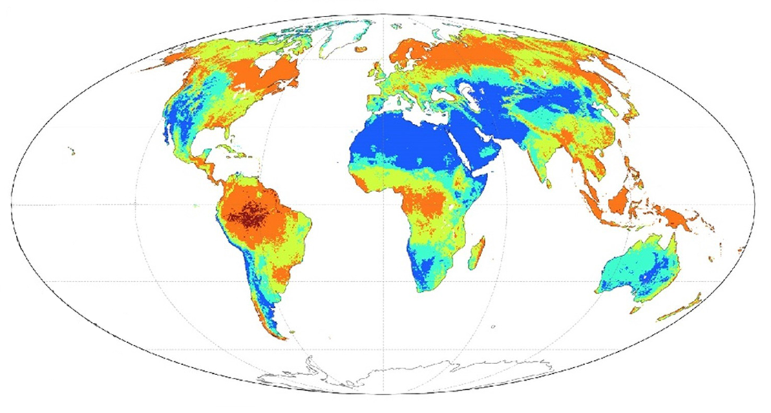
A decorative image showing a map of the world with a variety of bright colors across the continents.

A new global study delivers the first high-resolution map—at 90 meters—of six key soil properties. Researchers, including SWES Professor Sabine Grunwald and Assistant Professor Nikos Tziolas, integrated more than 150,000 georeferenced observations with advanced GeoAI and pedometrics. By linking soil properties with socio-economic indicators such as poverty and agricultural productivity, the study sketches a “soil-human nexus” that informs smarter land management and equity-centered policy.

Read more about the article published in the high-impact, global journal The Innovation to see how soil health shapes both the planet and people.


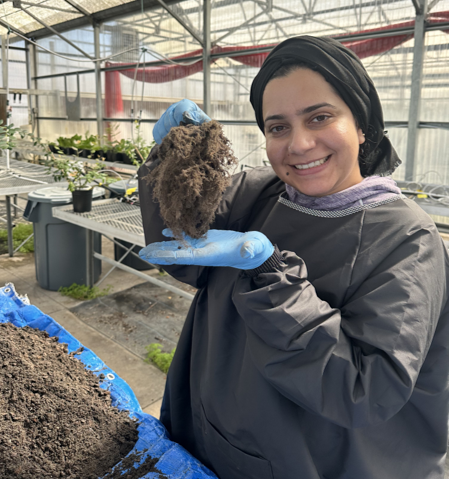
A woman in a greenhouse, wearing blue latex gloves, holds up a mass of roots from a young blueberry bush.

Graduate Student Research

Reclaimed Water for Blueberry Production

Yasmeen Saleem, a PhD candidate in SWES, is testing reclaimed water as an irrigation source for Florida blueberries. The experiment involving four irrigation treatments is designed to show whether reclaimed water supports healthy seedling growth and root development as well as, or better than, other options. Favorable results could be a promising, sustainable path for Florida’s blueberry industry amid growing water scarcity.

Read More

Connect with SWES on social media: